
C-208A, M3M Urbana, Sec-67, Gurugram, HR-122101 (INDIA)
Atulayam Designs is a young and focussed Interior Design Studio committed to deliver top-quality interior design services with exceptional artistry and unwavering dedication to excellence.
READ MORE
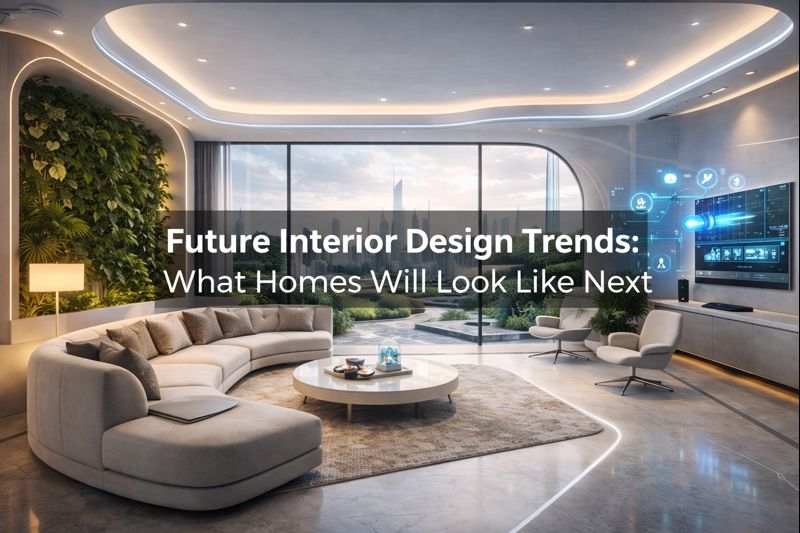
The urgent need for environmental responsibility will continue to drive design choices. The future of home trends is green—not just in color, but in its very soul.
Expect to see a surge in sustainable design materials – recycled, reclaimed, and locally sourced options will become the norm. Furniture made from mushroom mycelium, algae-based insulation, and textiles derived from ocean plastic are no longer futuristic concepts but emerging realities. These materials reduce the carbon footprint while adding unique textures to our living spaces.
Biophilic design, which integrates nature into the built environment, will move beyond simple potted plants. We'll see living walls, indoor water features, and design elements that mimic natural patterns and textures. Homes will be designed to maximize natural light and airflow, creating a healthier and more calming atmosphere.
Key Highlights:

The smart homes revolution is just beginning. We are moving away from "gadgets" toward a home that acts as a living, breathing assistant.
Beyond voice-controlled assistants, future homes will feature seamlessly integrated technology in design that anticipates our needs. Smart materials will change opacity with a touch, walls will become interactive displays, and furniture will adapt to our posture and comfort preferences.
Connectivity will extend to every corner of the home, creating an intuitive and responsive environment. Imagine waking up to blinds that gently open and lighting that adjusts throughout the day to support your circadian rhythm.
Key Tech Points:
Invisible Tech: Sensors embedded in walls to maintain a minimalist design look.
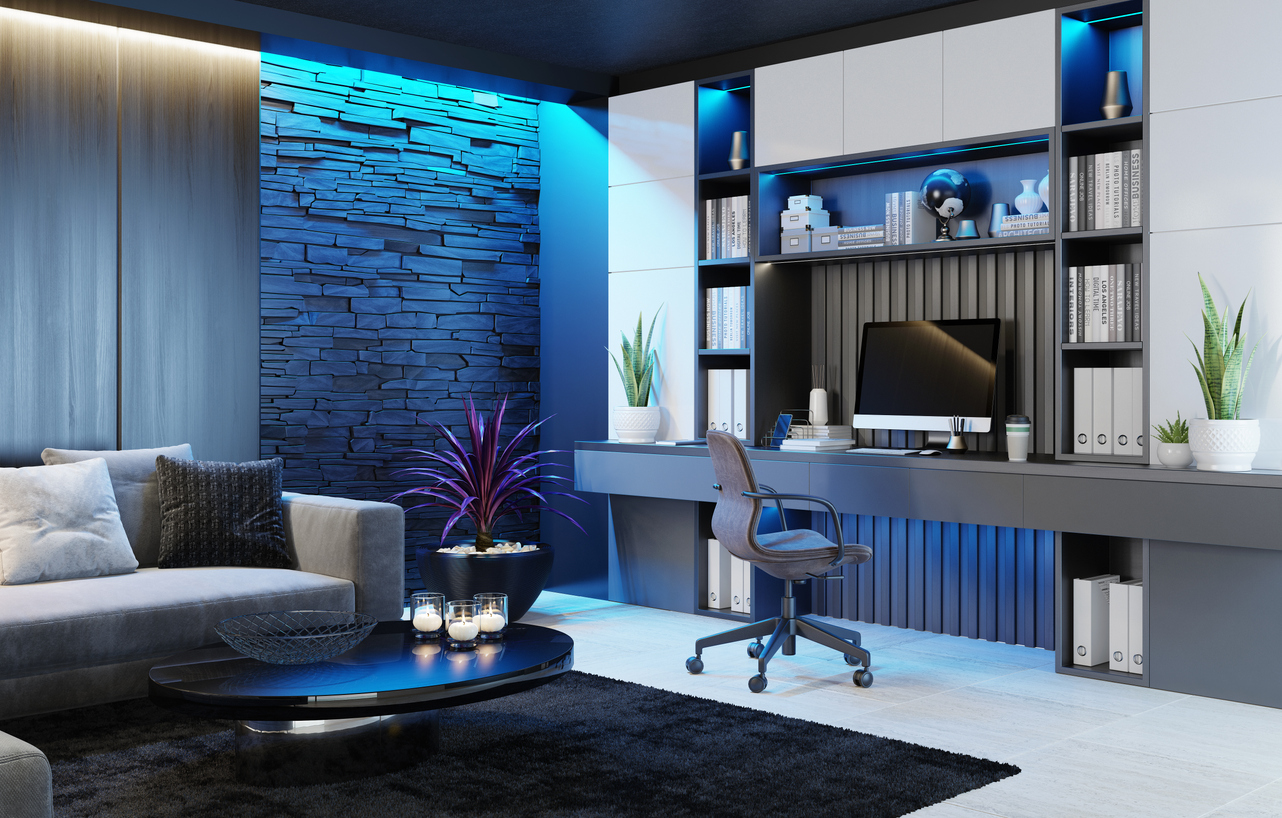
As our lives become more demanding, homes will increasingly serve as personalized spaces. The "one size fits all" approach to floor plans is officially over.
This means a greater emphasis on spaces dedicated to wellness at home, mindfulness, and individual passions. Think dedicated meditation nooks, home gyms with integrated virtual reality experiences, and creative studios that inspire productivity.
Flexible living will also be key. Multi-functional furniture and adaptable layouts will allow rooms to transform effortlessly. A dining area might become a workspace, or a living room might convert into a guest bedroom with cleverly concealed solutions.
Core Flexible Features:

In conclusion, the future of interior design is bright, promising homes that are not just beautiful but also intelligent, sustainable, and deeply attuned to our personal well-being. These spaces will tell our stories, adapt to our needs, and connect us more deeply with both nature and technology.
For those looking to embrace these visionary trends and transform their living spaces, Atulayam Designs stands at the forefront, offering innovative and thoughtful solutions that blend future-forward thinking with timeless elegance.
Leave Your Comment